Last updated: November 3, 2026
At a Glance
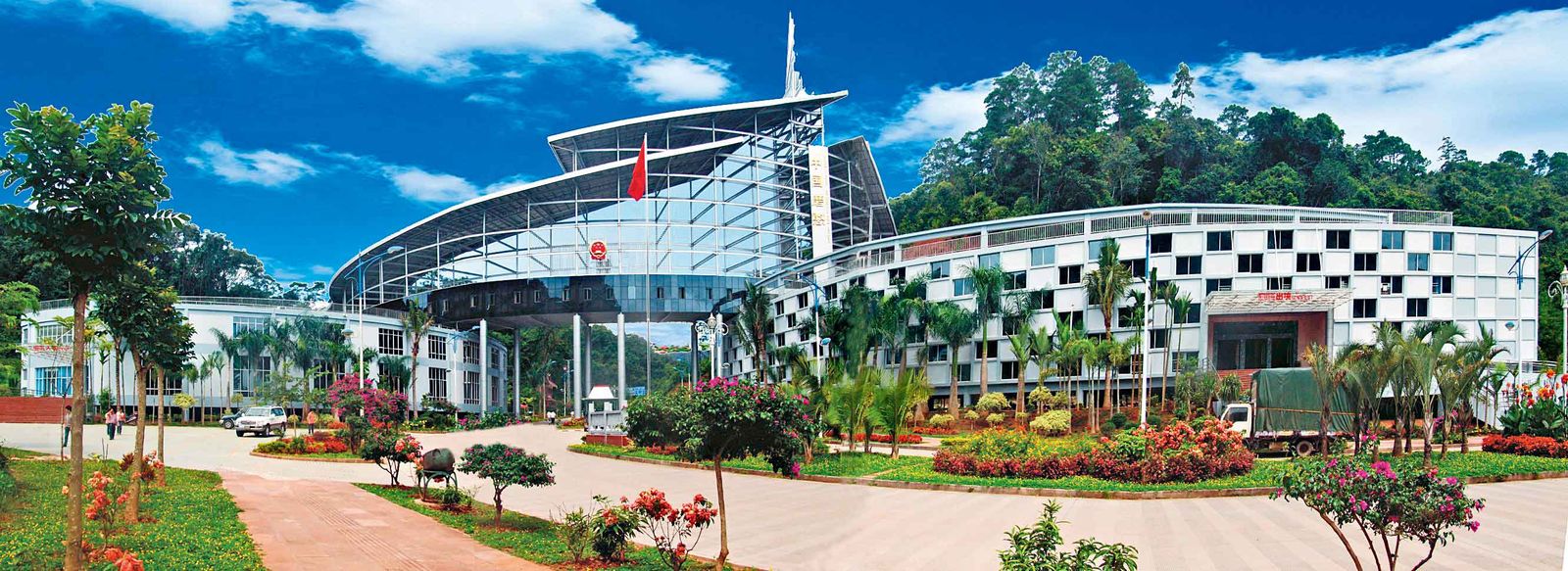
"Mohan motorcycle entry into China" is one of the most searched phrases among Thai and Lao riders — what documents does a motorcycle actually need, is a bike priced the same as a car, how much is the deposit, how long is the temporary plate valid, and can it all be done in one day? This guide breaks down the full process from my experience helping hundreds of motorcycles enter through Mohan: what to submit 20 days before departure, how to pay the deposit 3 days before crossing, which gates you pass at the border, and where you can ride after entry. By the end you will have a complete timeline in your head.
Why This Guide Exists
Foreign riders ask me the same set of questions: what exactly is the procedure for riding a motorcycle from Mohan into China? Is it the same as for cars? Is there a separate window or a separate price for motorcycles? Information online is fragmented — some say a deposit, some say insurance, some say you must use a travel agency — but nobody walks you through the whole process from start to finish.
Last month a Thai rider on a CB500X came over from Chiang Mai via Boten in Laos. He added my WeChat two weeks early, and his first message was: "A friend told me it takes 3 days at Mohan to get the paperwork done. Is that true?" I told him: documents in 20 days ahead, deposit in 3 days before the crossing, and the border itself takes half a day. He was sceptical. On the day, our team handled it on site — from customs declaration to temporary plate in 4 hours, and he was riding toward Kunming on G85 by the afternoon. The procedure is fixed and mature. Follow the steps and the day goes smoothly.
Step 1: Why You Must Use a Licensed Travel Agency
Temporary entry of a foreign vehicle into China must be declared to customs by a licensed outbound travel agency acting as guarantor. A private individual has no standing in the customs system. This is a requirement of the procedure itself — not a barrier that any agency invented.
What makes an agency "licensed"? It must deposit RMB 1.6 million quality assurance funds with the tourism authority and have operated for at least 3 years. This threshold is hard. Any agency that can issue a guarantee has real money pledged with the authority, so there is a backstop if something goes wrong. Before you plan or pay, confirm the other side is a travel agency with outbound qualification.
People also ask: is a customs broker cheaper? To be clear — Khorgos is the only port in China where a customs broker may theoretically file on its own. Mohan, Gyirong and Erenhot do not allow it. Brokers pay no quality assurance funds, customs does not accept their guarantee, and the deposit would have to be paid in full at 50%–65% of the vehicle value. Even at Khorgos, getting a temporary plate still requires the agency to provide documents. As long as your vehicle needs to be legally on the road in China (which requires a temporary plate), the Ministry of Public Security rules require a licensed outbound travel agency to host and guarantee the entry. "Use a broker to save money" does not actually work.
So at Mohan the conclusion is direct: using a licensed travel agency is the process itself, not an option.
Step 2: Prepare Documents 20 Days Ahead
Documents must be submitted in advance — generally 20 days before entry; if Tibet is on the itinerary, one month ahead. The checklist:
- Passport
- China visa
- Driver’s licence
- White-background ID photo of the rider
- Vehicle registration certificate (行驶证)
- Vehicle title certificate (登记证)
- Engine number (if not printed on the title, take a photo of the engine bay)
- Vehicle photos: front, rear and side
For bikes over 6 years old, add a vehicle inspection certificate; after entry the bike must pass an inspection at the vehicle management office before a temporary plate is issued, at a cost of about RMB 200.
One reminder from a veteran: every document except the Chinese driving licence needs a Chinese translation, handled by the agency. Submit early — do not wait until day 20; if something is missing there may not be time to re-supply. A real example: last year a Malaysian client rode a 2017 R1200GS. The engine number on the title was hidden by dried mud and not photographed clearly, so at the border the inspection officer asked him to retake the photo. It cost him most of the day and pushed every later step back.
Before you leave, check three things on the bike — any one of them can mean refusal at the border: the VIN matches the title exactly, with no signs of alteration, grinding, welding or re-stamping; if the engine was replaced, the change was registered in the home country; the VIN and engine number are not rusted to the point of being unreadable.
Step 3: Deposit & Insurance, in Place 3 Days Before Crossing
The deposit is the part riders worry about most. Customs assesses a guarantee of 50%–65% of the vehicle value. Because the travel agency guarantees the entry, the rider actually pays only RMB 10,000 — to the agency’s corporate account, never a personal one.
Two dates to remember: the deposit must arrive 3 days before the crossing; if it is late, the declaration is cancelled automatically, the service fee is not refunded, and you must rebook a time. After you leave China, customs refunds the agency within 3–5 working days, and the agency returns the money to you by the same route it came. Refund has three conditions, all must be met: you exit on time within the declared stay and plate validity; there are no outstanding traffic violations; and there are no unpaid fees or unfinished customs matters.
Insurance must also be arranged before entry. A temporary Chinese plate requires compulsory traffic insurance (交强险) — without it, no plate. Optional commercial third-party liability from RMB 500,000 is available. The agency buys the insurance on your behalf before the vehicle enters, and you pay the actual cost. Do not plan to sort it at the border; without active insurance, the plate step will stop you.
Step 4: The Day at the Border
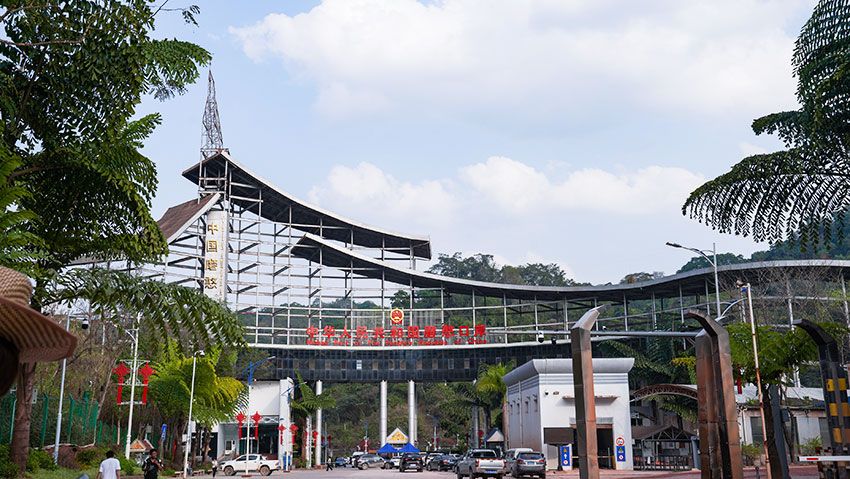
Mohan is not a 24-hour port. Opening hours can change daily — check the schedule for your specific day in advance and arrive early. Do not ride through the night to the port; stay in Mohan town the night before and cross fresh in the morning. A guesthouse in Mohan town costs 100–150 RMB a night, and a bowl of rice noodles at a local eatery is about 10 RMB — a quiet border town.
At the port, the agency’s staff are already waiting. You do not need to fumble through the queues yourself — they tell you which step comes next. The main gates on the day:
Gate 1 — customs declaration check. Your declaration was filed by the agency in advance; on-site is verification. The window checks the declared information, vehicle data and deposit status, verifies plate number, VIN and model, then releases the bike.
Gate 2 — immigration transit procedures. Passport and visa are checked and entry is stamped. The 30-day visa-free stay makes this gate fast. To stay longer you need a longer visa; the agency can issue an invitation letter to help you apply, but approval lies with the embassy and is never guaranteed — plan ahead.
Gate 3 — vehicle inspection. Customs and vehicle-management staff compare the physical bike against the declaration — VIN, engine number and model. Keep the bike clean and the numbers legible and this gate goes quickly. Motorcycles are small and usually inspect faster than cars — a matter of ten-odd minutes.
Gate 4 — Chinese temporary driving licence. China does not recognise international driving permits — China is not party to the UN road conventions — so your foreign licence cannot be used directly. You must get a Chinese temporary licence; the agency handles it, you do not visit the vehicle office yourself.
Gate 5 — Chinese temporary plate. Valid for 3 months. With the plate, your bike is legally on the road in China.
Gate 6 — route filing with customs. The general route you plan to ride is filed. The filed route is the legal scope of this trip.
All six gates take about half a day to a day, depending on queues. After that, you ride onto China’s roads.
Is a Motorcycle the Same as a Car?
Yes. Motorcycles, cars and RVs follow exactly the same procedure and pay the same service fee — no surcharge for a bike, no separate window. The only real difference is inspection: a motorcycle is small, checks quickly, and usually passes faster than a car.
Fees: Mohan motorcycle entry service fee is RMB 5,000–6,000 per vehicle; Lao-registered vehicles pay 4,000. Included: customs declaration at entry, immigration transit at entry, Chinese temporary driving licence, Chinese temporary plate (3 months), customs clearance at exit, immigration procedures at exit, route filing, and on-site assistance at the port.
What is not included: the customs deposit (the RMB 10,000), vehicle insurance, document translation, the inspection fee (about RMB 200), and on the road — fuel, tolls, food, accommodation and guide fees.
After Entry: Where You Can and Cannot Ride
You can ride nationwide, with exceptions you should know in advance:
Tibet: a guide for the whole trip, a filed itinerary and a Tibet Travel Permit are required; documents must be ready one month ahead. Beijing: foreign vehicles must apply for a Beijing entry permit. Parts of Xinjiang and Gansu border restricted zones are closed. On the G219 Xinjiang–Tibet route, the Dahongliutan section and the Kashgar–Yecheng to Rutog (Pangong Tso) section are not open to foreigners. The newly built unmanned-area national road in the Minfeng direction is also closed to foreigners. To go from Xinjiang to Tibet, you must loop back through Golmud on the Qinghai–Tibet Highway G109.
At checkpoints or if traffic police stop you, show the temporary plate and licence; when needed, the agency provides supporting documents remotely. China drives on the right — riders from right-hand-drive countries should take the first days to adapt, especially on expressway ramps and overtaking.
My Experience: I Have Taken Many Riders Through This Line
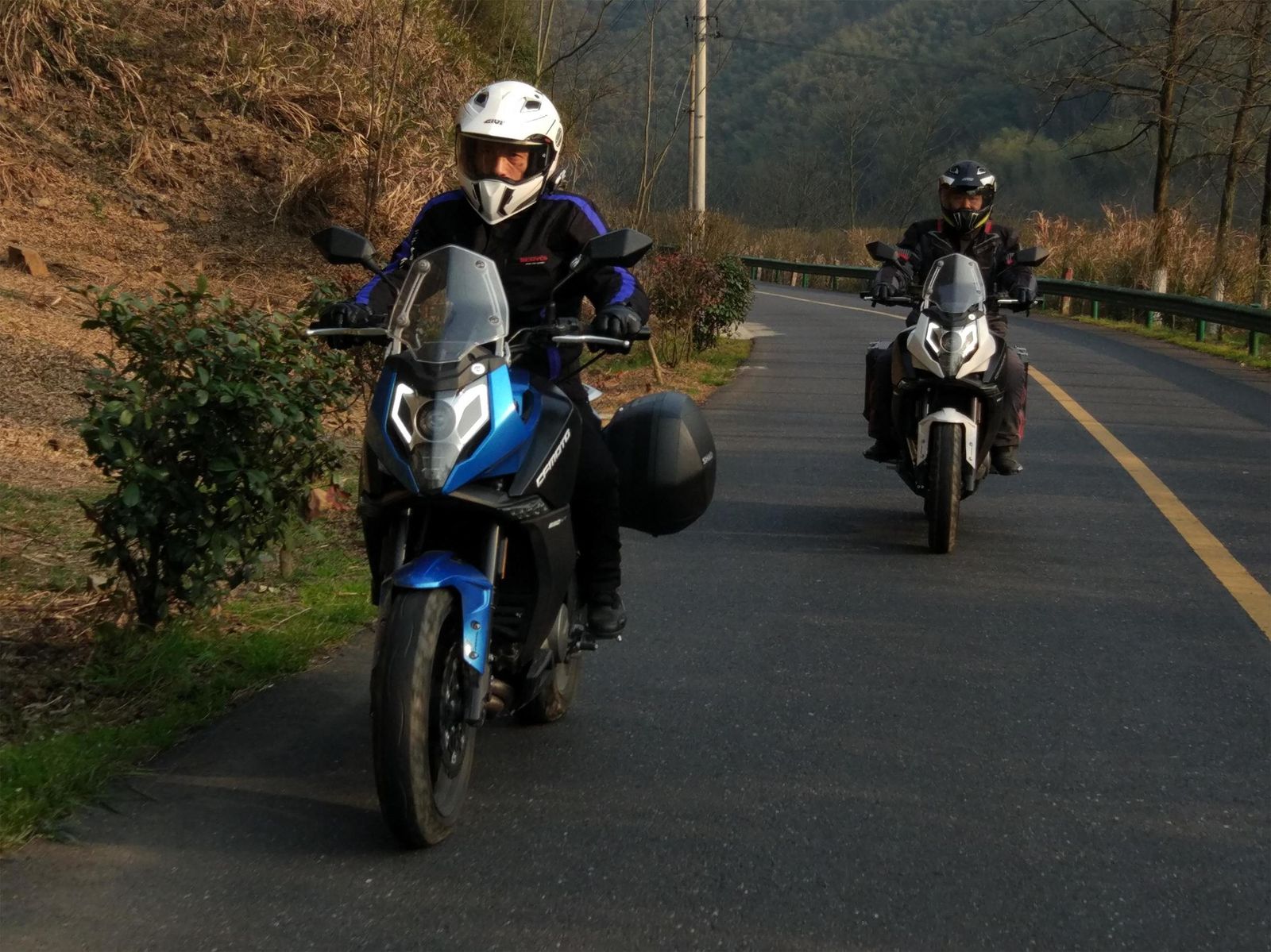
I have guided many Thai and Malaysian riders through Mohan. A few honest tips:
First, Mohan town is small. Stay the night before, cross fresh in the morning — far better than riding through the night and waiting for the gate to open.
Second, the detail that most often trips people is the engine number. Many older titles do not print it — photograph the engine bay in advance. Do not arrive at the border and discover the photo is missing.
Third, for bikes over 6 years, do not skip the inspection certificate. The inspection at the vehicle office costs about RMB 200 and takes a day, but without the certificate the plate step blocks you.
Fourth, right-hand-drive bikes are completely fine — Mohan accepts them, at the same price as left-hand-drive, no surcharge. Just give yourself days to adapt to right-side driving, especially corners and ramps.
Fifth, if Tibet is on the itinerary, submit documents a month ahead. The Tibet Travel Permit and guide are mandatory — do not remember them two weeks before departure.
Quick Q&A
Q: How much is the Mohan motorcycle entry service fee?
A: RMB 5,000–6,000 per vehicle; Lao-registered vehicles 4,000. Motorcycles, cars and RVs are priced the same.
Q: Is the RMB 10,000 deposit enough? Isn’t the deposit based on vehicle value?
A: Customs assesses 50%–65% of the vehicle value, but because the agency guarantees the entry, you pay only RMB 10,000. It must arrive 3 days before crossing and is refunded 3–5 working days after exit.
Q: My bike is over 6 years old. Can it enter?
A: Yes. Bring the inspection certificate in advance; after entry the bike passes a check at the vehicle management office, about RMB 200.
Q: Can I use an international driving permit?
A: No. China does not recognise international driving permits. You must obtain a Chinese temporary licence, arranged by the agency.
Q: How long is the temporary plate valid?
A: 3 months.
Q: 30 days of visa-free stay is not enough?
A: The agency can issue an invitation letter to apply for a longer tourist visa. Approval lies with the embassy — plan time.
Q: Can a right-hand-drive bike enter?
A: Yes. All ports accept it, at the same price as left-hand-drive.
Q: Can I ride anywhere after entry?
A: Nationwide, except: Tibet needs a permit and guide, Beijing needs an entry permit, parts of Xinjiang and Gansu border restricted zones are closed, and the G219 Dahongliutan and Yecheng–Pangong Tso sections are not open. See the restrictions section above.
Read all of the above and the Mohan motorcycle entry picture is complete: documents 20 days ahead, deposit in 3 days before crossing, insurance bought in advance, six gates guided on site, half a day to a day at the border. The rest is enjoying the ride in China.
For help or a quote, contact us: Yunnan Province International Travel Agency (Group) Co., Ltd. Phone / WhatsApp: +86 13759155671; WeChat ID: qxzj7557; Email: [email protected]. I’m Zara — send me your bike model, year and planned dates and I will put together your document checklist and timeline.
On a related note, I have also written about in person here.
Planning to ride your motorcycle into China?
We handle the entire entry process — customs, plate, permit, guarantee. You ride across on entry day and focus on the road.
WhatsApp / WeChat: +86 13759155671 · Email: [email protected]
Contact Us Now →