Last updated: November 11, 2026
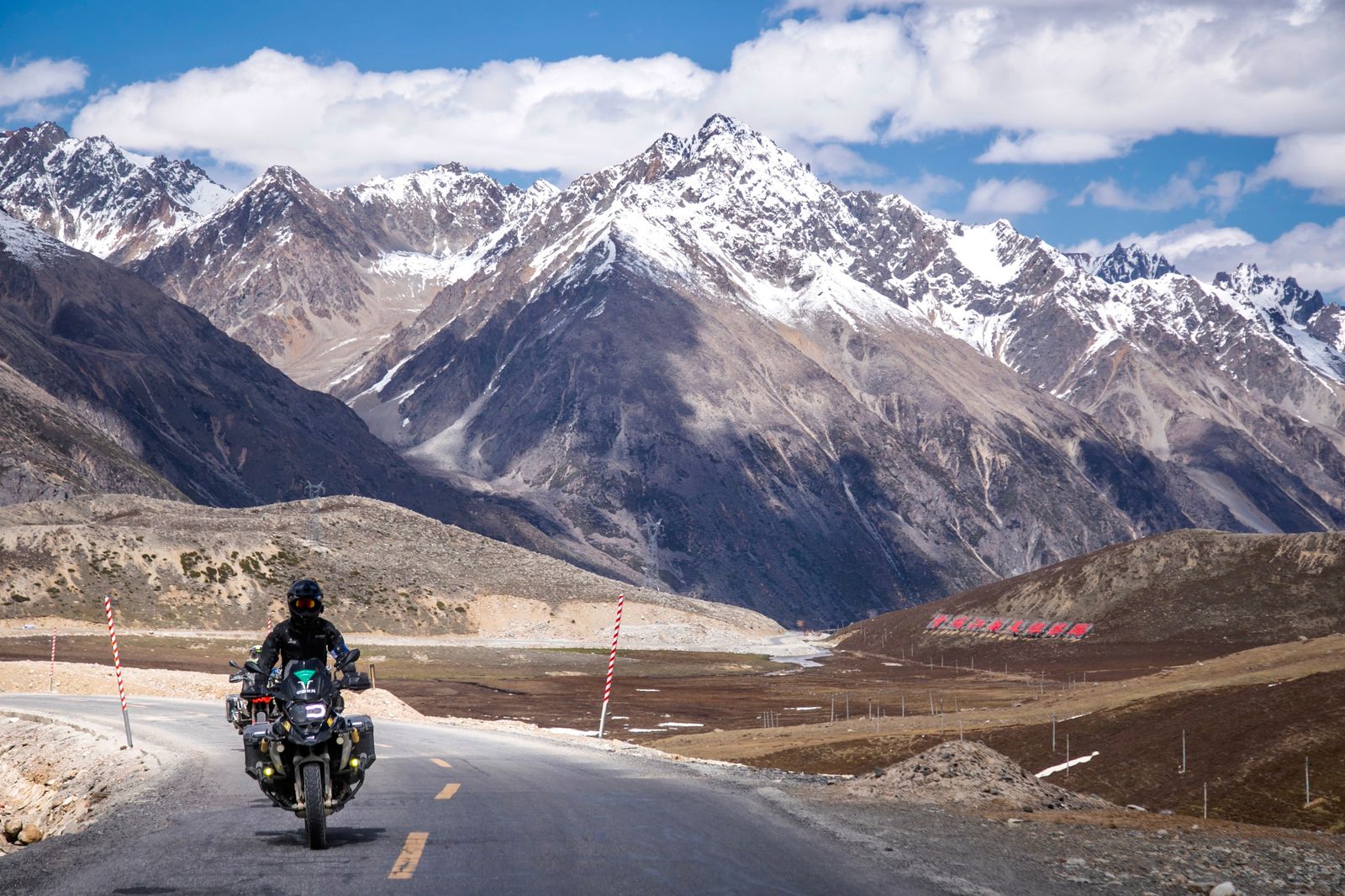
After the novelty of the famous roads wears off, many riders tell me the days they remember are the quiet ones, where the traffic thinned, the villages felt untouched and the bike had the road almost to itself. A China motorcycle road trip does not have to follow the well-known tourist corridors, and some of the genuinely rewarding riding lies on the lesser provincial and county roads, but seeking solitude carries real responsibilities around fuel, permits, surfaces and safety that a rider cannot ignore. As a foreign rider on my own bike, I learned to chase the quiet roads carefully, choosing them with the same preparation as the big routes rather than simply wandering off the map.
The appeal of the lesser roads
The quiet roads offer a different pace and a closer view of the country, where a rider can hear the bike, stop without holding up traffic and meet villagers who do not see foreigners every week, and the scenery often equals or exceeds the famous viewpoints. The trade-off is that these roads are narrower, slower and sometimes less maintained, and the daily distance drops compared with an expressway, which is exactly why I plan them deliberately rather than stumble into them. For many riders, a mix of main roads and quiet stretches gives the advantages of both worlds.
How to find them safely
I use the navigation to identify the smaller county and township roads, then cross-check the route against the paper map and the physical signs, because a phone can optimise for speed and miss a road that is genuinely rideable. I also ask locally at towns, where riders and shopkeepers know which quiet roads go through and which become rough or dead-end, and that local knowledge beats any online source. The key is to choose a quiet road that still connects real settlements rather than a track that fades into the hills, which keeps the trip a road tour rather than an off-road gamble.
Surfaces and what the bike can handle
A lesser road can switch from good tarmac to broken patches, gravel or mud, especially after rain or in the mountains, and I ride within the bike's capability and the tyres' limits rather than treating a loaded touring bike as a dirt machine. I slow for the rough sections, keep the luggage balanced and accept that progress will be measured. On a China motorcycle road trip, reading the surface honestly and being ready to turn back if it deteriorates is the discipline that keeps a quiet detour enjoyable rather than risky.
Fuel and the distance between services
Solitude and services rarely go together, so before committing to a quiet region I fill the tank, confirm the next fuel town on the map and carry the cash I may need, since small villages do not provide the stations and phone payment of the east. I calculate the bike's range against the likely distance and keep a margin, rather than trusting that a village will have fuel. The same conservative habit that works on the desert and plateau routes applies here, and it prevents the only real emergency a quiet road is likely to produce.
Permits and restricted areas
Some of the emptiest regions sit near sensitive borders or in restricted zones where foreign riders are not allowed, regardless of how inviting the road looks, and I treat those boundaries as fixed and confirm them with the agency rather than testing them. A quiet road is only worth riding if it is genuinely open, and the entry documents and any extra permits must support the route. Respecting the closed areas keeps the trip legal and avoids the serious consequences of wandering into a zone that foreigners cannot enter.
Safety when alone and out of signal
On a remote road I expect signal blackouts and plan for them, sharing the route and expected arrival, carrying a basic tool and repair kit, and choosing reliable gear that can handle a long day. I keep the bike checked and never push on toward dusk on an unfamiliar quiet road, preferring to stop in a village while there is light. A little formality around safety means the solitude is peaceful rather than worrying, and it lets a rider enjoy the empty landscape with confidence.
Mixing quiet and busy roads
The routes I find really satisfying use the main roads to cover ground efficiently and the lesser roads to experience a region slowly, alternating the two so the trip is neither exhausting nor impractical. I place the quiet stretches where the terrain and the settlements support them, and I use the towns to rest, fuel and gather the next piece of local advice. This balance keeps the journey varied and avoids the fatigue of endless expressways or the uncertainty of days spent entirely remote.
Planning your own quiet route
The practical method is to choose the lesser roads with care, confirm they are open and rideable, plan fuel and signal gaps, and keep a safe margin, rather than simply heading away from the traffic. If you tell me the regions you want to explore and the kind of solitude you are looking for, I can suggest quiet roads that fit the bike and the permits, so your China motorcycle road trip includes the memorable, less-travelled days without the remoteness turning into a problem.
The balance I aim for is solitude without recklessness, choosing the lesser roads where the settlements and the fuel support them and returning to the main routes to cover ground. Before a quiet stretch I fill the tank, confirm the road is genuinely open and rideable, save the offline maps and share my plan, and I keep the day short enough to stop while there is light. The reward is a kind of riding the tourist corridors cannot offer, empty tarmac, villages that greet a foreign rider with curiosity, and the sound of the bike alone in the landscape, but it only works with the same discipline as the big routes. Pursue the quiet roads with that preparation and they become the treasured days of a China motorcycle road trip.
Ready to plan your ride into China?
Customs declaration, temporary plate, temporary licence and guarantee - handled for you end to end. Ride across the border on arrival day and keep your energy for the road.
WeChat / WhatsApp: +86 13759155671 · Email: [email protected]
Contact Us Now