Last updated: November 8, 2026
The first time a proper crosswind hit me I was crossing an exposed bridge, and I genuinely thought something had gone wrong with the bike as the bars twisted in my hands. Of course it was only the wind, but it taught me how much a strong gust can move a motorcycle and how easy it is to overreact. Foreign riders who have mostly ridden in sheltered countryside can find the open roads, high bridges and plateaux of China surprisingly windy. You cannot stop the wind, but once you understand how it behaves and how to respond, riding through it becomes a matter of calm technique rather than fear.
Where and when the wind is worst
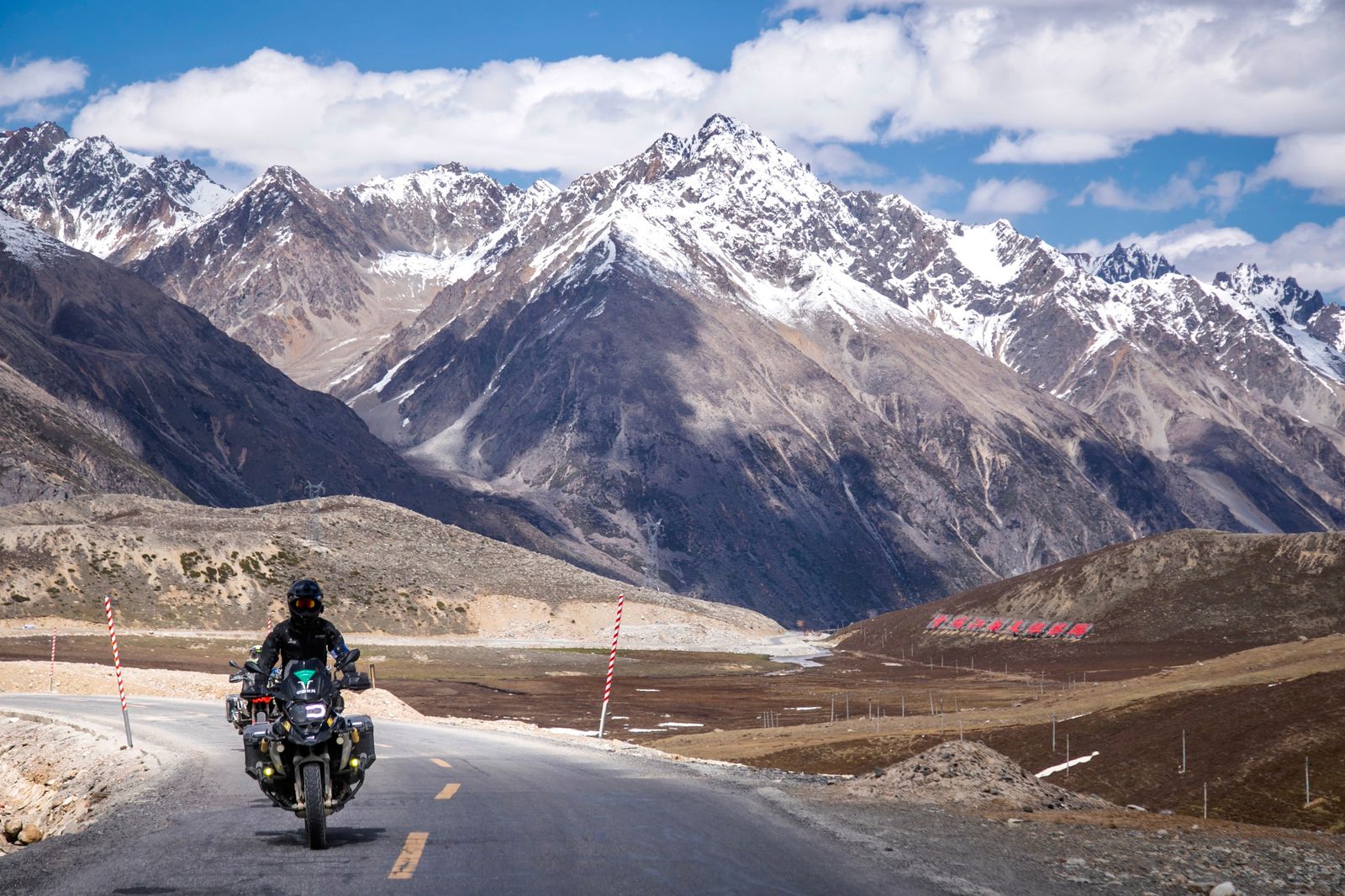
I have learned to read the terrain for the places that funnel wind. Long bridges, viaducts, open plains, high plateaux and the exits of tunnels and cuttings all produce sudden gusts, because there is nothing to slow the air or because the road pops out from shelter into the open. Oncoming lorries and buses also create a blast as they pass, especially at close range. I keep these points in mind and set up early rather than being surprised, and on a known windy day I watch the way grass, trees and flags are moving, which gives me a fair idea of the wind's strength before I reach the exposed bit.
Loosen up and let the bike move a little
The instinct when the wind shoves the bike is to grip up hard and fight the bars, but a tense, locked rider makes the problem worse and gets exhausted quickly. The better approach is to relax the arms, keep a light but positive hold and allow the bike to make small movements underneath you rather than correcting every twitch. I weight the pegs, keep my core steady and lean slightly into the wind when it is constant, letting the bike hold a gentle angle rather than sitting perfectly upright. A relaxed rider absorbs the gusts and keeps the bike tracking true, while a white-knuckled one turns every puff into a wobble.
Speed, position and the throttle
Speed is a genuine factor. Going faster gives the wind more leverage and leaves less time to react, so in strong gusts I ease off and ride at a pace where I still feel in control. I keep to a sensible position in the lane that leaves room on both sides, because a sudden gust may push me slightly and I do not want to be already near the edge or the centre line. A steady throttle helps too; backing off abruptly in a gust can make the bike feel unsettled, so I keep the drive smooth and predictable. Where there is shelter, I will wait out a really fierce burst rather than force my way through the worst of it.
Overtaking and passing large vehicles
Overtaking in crosswinds needs extra care, because moving out from behind a vehicle into the open exposes me to the full force of the wind, and the shelter-to-gust transition can shove the bike just as I am alongside. I only overtake when I can do it cleanly and quickly, with enough space, and I prepare for the push as I come out. When a large lorry passes me the other way I expect its blast, hold a steady line and resist the urge to swerve away from it. None of this is dramatic; it is simply anticipating the forces rather than meeting them by surprise.
Knowing when to pull off
There is a point where the wind is strong enough that continuing is not sensible, and I have no trouble admitting it. If gusts are moving the bike across the lane despite a relaxed, steady hold, or debris and branches are blowing across the road, I find a safe, sheltered place to stop and wait. High winds tend to ease as the day settles, and a short delay is far better than being blown into a mistake. I treat it the same way I treat ice, fog or any other condition that has moved beyond my control: patience, then a calmer ride.
Wind, speed and the suspension underneath you
Two things make a real difference to how a bike feels in gusts, and both are worth a thought before the trip. The first is speed: a lighter, slower bike is simply less affected by the wind and gives you more time to correct, so dropping the pace on an exposed stretch is a genuine technique rather than a weakness. The second is the suspension, because a properly set-up bike holds its line and absorbs the small movements of the road and the wind, while one that is too soft or badly loaded will wallow and feel nervous just when you need it calm. I check the suspension for the luggage I am carrying and make sure the tyres are at the right pressure, since both feed straight into stability. None of this removes the wind, but it means the bike is doing its share of the work and you can focus on riding rather than fighting the machine.
It is also worth remembering that wind direction changes through the day as the land warms and cools, so a road that was calm in the morning can be gusty by afternoon, and a headwind on the way out may turn into a crosswind on the way back. I keep a little margin in the schedule for this rather than booking fixed arrival times I then have to chase. When the wind is really working, I tuck in slightly, reduce the profile I present to it, and accept that the miles will simply take a little longer. A rider who works with these realities instead of resenting them stays relaxed, and relaxation is the single most useful thing you can carry into a windy day, however long the exposed road runs.
The paperwork side
Entry is handled through a licensed travel agency; individuals cannot clear customs on their own. The temporary plate is valid for 3 months, and the insurance is arranged before entry at the actual cost. The vehicle inspection fee is around 200 RMB for every bike. If your route includes long exposed bridges or high open plateaux and you want advice on the windy sections, send it over and I will help you plan around them.
Ready to plan your ride into China?
Customs declaration, temporary plate, temporary licence and guarantee - handled for you end to end. Ride across the border on arrival day and keep your energy for the road.
WeChat / WhatsApp: +86 13759155671 · Email: [email protected]
Contact Us Now