Last updated: November 7, 2026
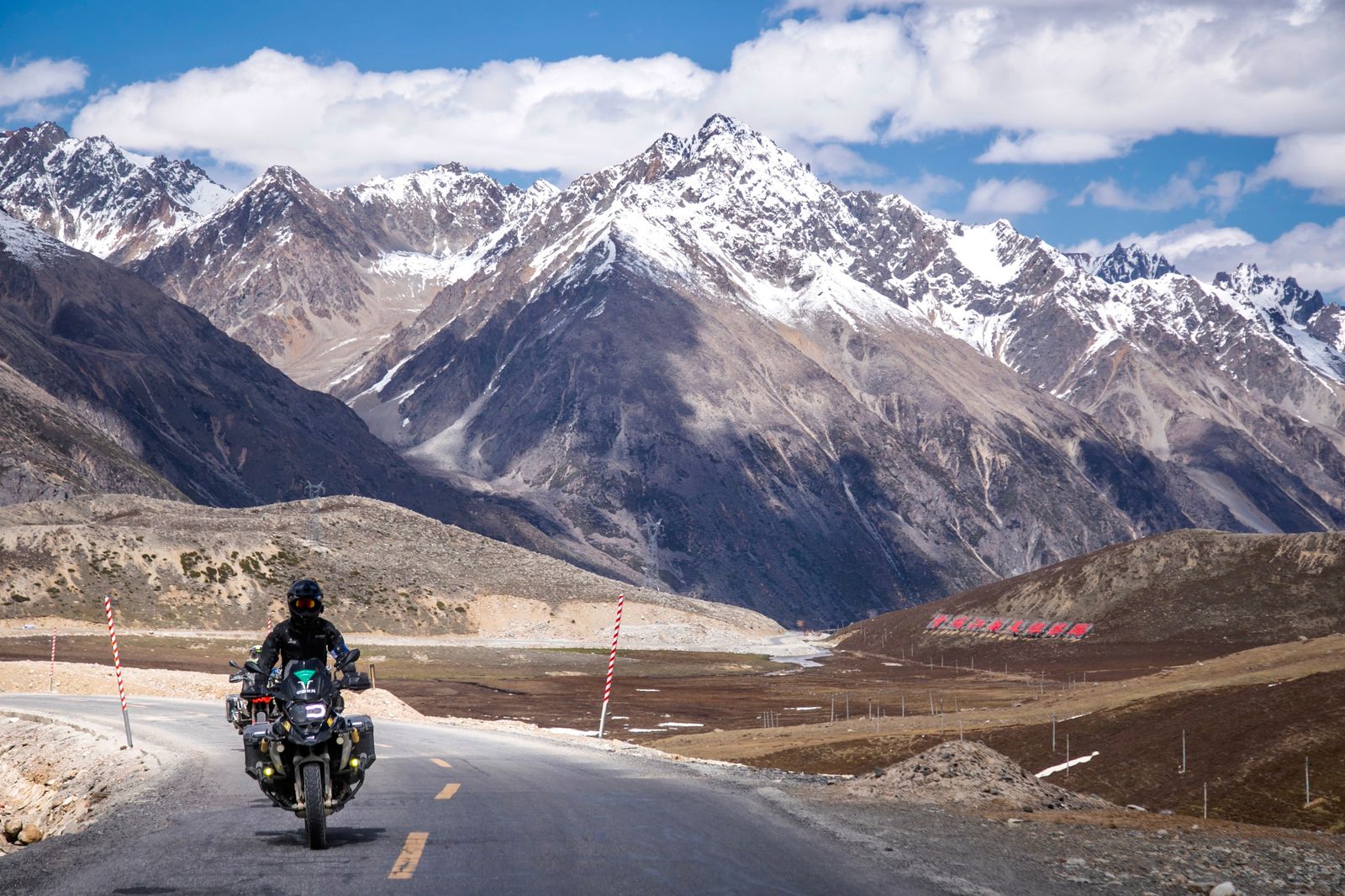
There is a particular stretch of mountain road I ride whenever I want to remind myself why I fell for motorcycling in the first place, a long climb of one bend rolling into the next with the valley opening up below. Mountain roads are where the sport really comes alive, but they are also where untidy habits get exposed. When I first started on them I treated every corner as a separate emergency, braking late, rushing in and then fighting the bike through the middle. Over time I learned that good mountain riding is not about dramatic lean angles or bravery; it is about vision, preparation and a smooth, repeatable rhythm. This is how I approach a series of bends now.
Your eyes do most of the work
If I had to single out one thing that separates calm riders from nervous ones on a mountain road, it is where they look. A slow, nervous rider stares at the road just in front of the wheel, which leaves them reacting to each corner at the last moment. I do the opposite: as I finish one bend I am already lifting my vision through the next, looking as far around it as I can see, toward the exit and the road beyond. The bike tends to follow your gaze, so looking well ahead settles the steering and gives you time to read what is coming - a tightening radius, a patch of damp, a slow vehicle around the blind part. The hands mostly sort themselves out once the eyes are doing their job.
Slow in, smooth out
The golden rule of cornering is to get your braking done while the bike is still upright, before you lean it in. I scrub off the speed I need on the approach, pick a gear that leaves the engine pulling rather than bogging down, and then ease off the brake as I tip into the bend, rolling gently back on the throttle through the middle and driving out toward the exit. Rushing in hot and braking mid-corner stands the bike up and pushes it wide, which is unsettling on a narrow mountain road. Going in a touch slower than feels necessary gives you margin and lets you carry a smooth, controlled line, and it is nearly always quicker and far less stressful than the dramatic alternative.
Pick a line that gives you vision
On a public road I never treat the racing line as a fixed rule, because the priority is seeing and being seen, not clipping an apex. On a blind left or right I hold a position that opens the view around the corner as early as possible, rather than drifting across where an oncoming vehicle could be. I stay on my own side of the centre, especially through the blind bits, and I expect the unexpected around every bend - a wandering dog, a lorry cutting the corner, a stretch of loose gravel at the edge. Once I can see the exit is clear I can gently take the bike toward the inside, but the line always bends to what the road and the traffic allow.
Body position and the feel of the bike
On the road I keep body movement subtle rather than hanging off like a track rider. I sit relaxed, weight on the balls of my feet, and on longer or tighter bends I shift my weight slightly to the inside and keep the outside arm relaxed, which helps the bike turn without forcing it. I grip the tank lightly with my knees so my upper body stays loose and my hands are not sawing at the bars. A tense, white-knuckled grip feeds every twitch straight back into the steering, whereas a relaxed posture lets the bike lean and settle beneath me. I also keep the suspension and tyres in good shape, because even the neatest technique cannot make up for worn tyres or wrong pressures. It is worth saying plainly that most mountain-road accidents do not come from wild riding; they come from entering a blind bend too quickly, meeting something unexpected and having no margin left to deal with it. That is exactly why the calm method - slow in, eyes up, room to spare - looks conservative but leaves you a way out when the dog, the lorry or the loose gravel finally appears. A rider with margin rarely needs to use it, but the one without it has no choice.
Build the rhythm, and read the conditions
Once the basics are settled, a mountain road becomes a rhythm rather than a string of separate corners - braking point, turn-in, vision through, drive out, repeat. I let the road set the pace and never chase a faster rider, because their sight lines and skill are not mine. In the wet I add more margin, brake earlier and gentler, smooth the inputs and accept a smaller lean angle, since painted markings, wet leaves and metal drains turn slippery without warning. When the road is dry and clear I can enjoy it, but the same calm method applies either way; the conditions change the numbers, not the technique.
The paperwork side
As with any foreign motorcycle, entry is handled through a licensed travel agency; individuals cannot clear customs on their own. The temporary plate is valid for 3 months, and the insurance is arranged before entry at the actual cost. For the customs guarantee, with our surety in place the rider only pays 10,000 RMB into the corporate account, arriving 3 days before entry and refunded in full within 3-5 working days after the bike leaves. The vehicle inspection fee is around 200 RMB for every bike. Right-hand-drive machines are accepted at every port on the same terms as left-hand-drive with no surcharge.
If you want help matching a route to your level of confidence, or a few pointers on a particular kind of bend, send over your planned route and I will give you a straight, practical view.
On a related note, I have also written about animals here.
Ready to plan your ride into China?
Customs declaration, temporary plate, temporary licence and guarantee - handled for you end to end. Ride across the border on arrival day and keep your energy for the road.
WeChat / WhatsApp: +86 13759155671 · Email: [email protected]
Contact Us Now