Last updated: November 16, 2026
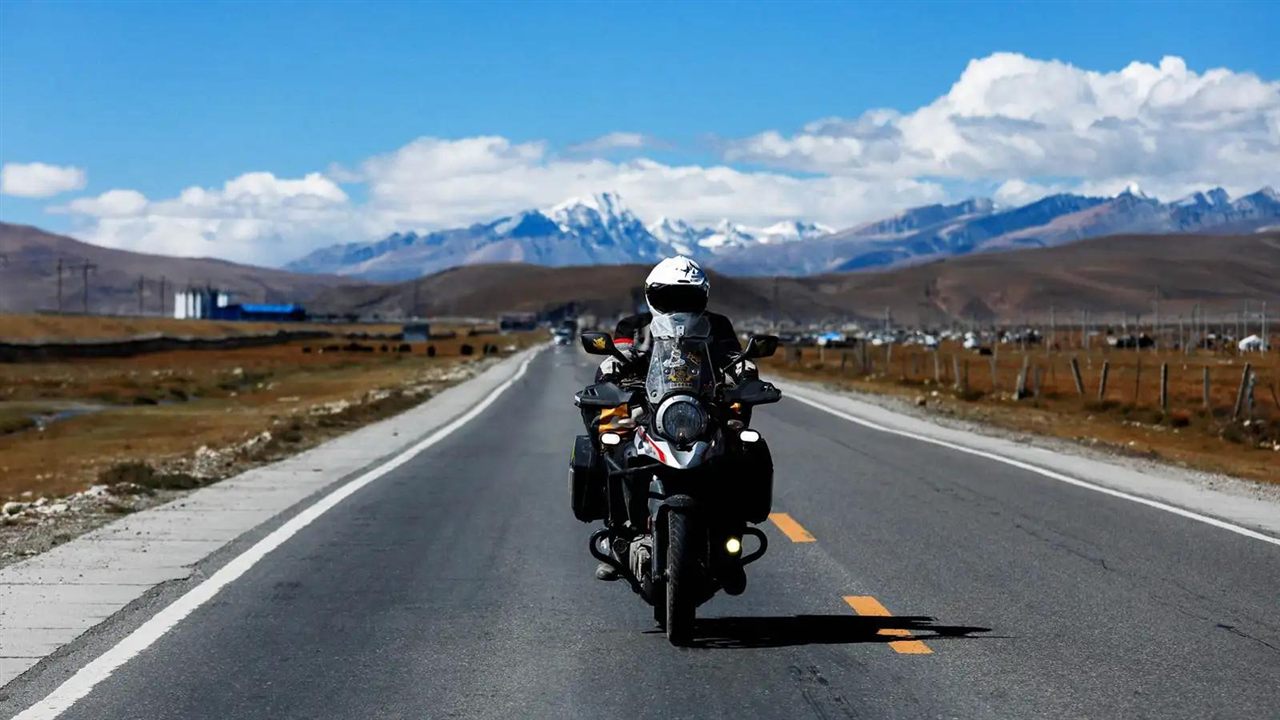
Last June, I leaned my Australian-registered right-hand-drive KTM 790 Adventure against a splintered wooden checkpoint post on the edge of Sanjiangyuan, the wind sharp enough to make my eyes water even through my goggles, and realised I’d spent the last 40 kilometres panicking over the wrong thing. I’d triple-checked my tyre pressure for the rutted grass tracks, packed extra freeze-dried meals for the high passes, and even brought a portable air pump for the soft river crossings. But I’d never stopped to confirm exactly where my Temporary China Licence let me ride, especially when I turned off the paved G214 onto the unmarked dirt trails that cut through the reserve’s core. If you’re planning motorcycle entry into China with sights set on Qinghai’s open high country, that quiet, unplanned off-road detour is exactly where things can go wrong if you haven’t done your homework.
Start at the border: what actually comes with your entry package
Most riders I meet fixate on the moment their two wheels roll across the frontier, and assume once they have a sticker on their number plate, they’re free to ride anywhere. That’s not how it works. I cleared into China through 磨憨 (Mohan) back in 2023, on a Thai-registered Honda CB500X, and I watched a pair of German riders get turned away at the customs desk because they’d turned up without a qualified agency acting as their guarantor. You can’t do motorcycle customs declaration China on your own here; individuals have no standing to submit the paperwork, full stop. The agency handling your entry needs to hold a RMB 1.6 million tourism quality deposit and three full years of operation to qualify, so don’t fall for a random local broker offering to cut corners on the cheap.
When I went through 磨憨, the service fee for my foreign motorcycle temporary entry China was RMB 5,500 — the range for Laos-registered vehicles is RMB 4,000, and RMB 5,000 to 6,000 for other plates coming through that port. That fee wasn’t just a stamp on a form. It covered customs declaration, immigration formalities, my temporary driving licence, the motorcycle temporary plate China, exit clearance, route filing, and on-site support at the port. What it didn’t cover was the RMB 10,000 customs deposit I had to transfer to the agency’s corporate account three days before arrival, the mandatory compulsory traffic insurance, document translation, the RMB 200 vehicle inspection, and all my fuel, food and accommodation on the road. I made the mistake of turning up to 磨憨 without proof the deposit had landed, and had to wait two hours in the sweltering port waiting hall while the team chased the transfer — if it had been late, my declaration would have been cancelled, and the service fee wouldn’t have been refunded. Not a fun start to a China motorcycle road trip.
Quick note on plates: the temporary plate is valid for 3 months, full stop. I’ve had riders ask me if they can extend it if they linger in Qinghai longer than planned — you can adjust your visa length with an invitation letter if you need more time, but there is no process to renew or extend the plate itself. Plan your route to fit that window, or you’ll be stuck sorting out paperwork in a town with no English signage.
What your paperwork actually allows you to ride
Here’s the part most guidebooks skip. When you get your Temporary China Licence and temporary plate, they’re valid for nationwide travel — with a handful of hard limits that catch most off-road riders off guard. Tibet requires a full-time guide and a Tibet permit, no exceptions. Beijing needs a special capital entry permit. Some border-restricted areas in Xinjiang and Gansu are off-limits entirely, the G219 Dahongliutan section is closed to foreigners, the Kashgar/Yecheng to Ritu route past Pangong Lake is shut, and the new Minfeng no-man’s-land highway is closed too. If you want to ride from Xinjiang to Tibet, you have to detour via Golmud on G109.
Sanjiangyuan, though? It’s not on that restricted list. The legal paved route through the region is G214, one of the three open highways into Tibet. The unpaved off-road trails that branch off G214 into the reserve core don’t have a separate permit for foreign riders, as long as you stick to your filed route and don’t veer into the closed border zones on the western edge of the reserve. I learned this the hard way at that wooden checkpoint I mentioned earlier. When I pulled up, the ranger on duty didn’t care about my bike’s knobby tyres or the camping gear strapped to my panniers. He asked for three things: my passport, my temporary driving licence, and proof that my route had been filed with the agency. I had all three, because I’d asked the team handling my 磨憨 border motorcycle customs clearance to list the Sanjiangyuan off-road loop as part of my planned route before I entered the country.
That’s the trick most people miss. You don’t need a special off-road permit for Sanjiangyuan’s dirt trails, but you do need to make sure the agency handling your entry files that route ahead of time. When I talked to the ranger, he leaned on my bike’s handlebar and said, through a translated app, “If your route wasn’t filed, you’d be turning around right now.” I’d naively assumed once I had my plate, I could turn down any track I wanted. Not the case.
Three quick checks to do before you leave the pavement
I’ve put these down after three separate trips to Qinghai, after making most of the mistakes myself:
- Double-check your temporary plate expiry date before you turn off the tarmac. The 3-month window starts the day you clear customs, not the day you start riding. I once miscalculated by two weeks and had to cut a trip through the Qilian Mountains short to get to the exit port on time.
- Make sure you have proof of compulsory traffic insurance in your panniers. Without it, the temporary plate wouldn’t have been issued in the first place, but rangers and local police will ask to see it if you’re off the main road. We arranged the cover before entry, and I paid the actual cost; commercial third-party cover is optional, but I’d recommend it for remote trails where there’s no mobile signal.
- Save the agency’s remote support contact in your phone. If you get stopped at a random checkpoint 200 kilometres from the nearest town, they can send supporting documents to the local police station remotely. I used this once when I got pulled over on a gravel stretch outside Maduo, and it cut the wait time from an hour to 10 minutes.
Don’t waste time panicking about whether your right-hand-drive bike is allowed — every port accepts both left and right-hand-drive vehicles, with the same fees, no surcharge. I rode that Australian KTM right-hand-drive through Sanjiangyuan without a single comment on the steering wheel position, just had to remember to stay on the right side of the road after years of riding on the left at home. China is not part of the UN road convention, so your home licence or any international permit won’t work on its own — the temporary driving licence the agency arranges for you is the only valid document here, and it covers off-road trails as long as your route is filed.
Final bits of blunt advice
I don’t recommend showing up to a border port without your paperwork sorted 20 days in advance. For Sanjiangyuan, you’ll need your passport, Chinese visa, home driving licence, white-background ID photo, vehicle licence, registration certificate, engine number, and front/rear/side photos of your bike. If your motorcycle is over 6 years old, you’ll need an inspection certificate, and the team will arrange Chinese translation for all your non-Chinese documents. I once tried to rush this 10 days before my trip, and almost missed my entry window because the translation took longer than expected.
When you exit, make sure you leave on time, have no outstanding traffic fines, and no unpaid fees. The RMB 10,000 customs deposit comes back to your account 3 to 5 working days after you exit through the same route, no percentage games, no long waits. I got my refund last time in 4 working days, straight to my bank account, no hoops to jump through.
Sanjiangyuan’s off-road trails are some of the best riding I’ve done in China — thin air, wide open grassland, no traffic, views that make the altitude headaches worth it. But the last thing you want is to get turned around at a checkpoint because you didn’t take 10 minutes to confirm your paperwork covers the route you want to ride. Do the checks before you leave the tarmac, and you’ll be fine.